Time to Reset Is Also The Time to Reskill
“Musicians play their instruments. I play the orchestra.”
The line belongs to Aaron Sorkin, delivered by Michael Fassbender as Steve Jobs in the movie. It sounds visionary. It is indeed but not for the reason people assume.
Jobs involved himself in every design detail and marketing deliverable. He created components that tied mission to vision. He conducted because he understood what each section needed to play.
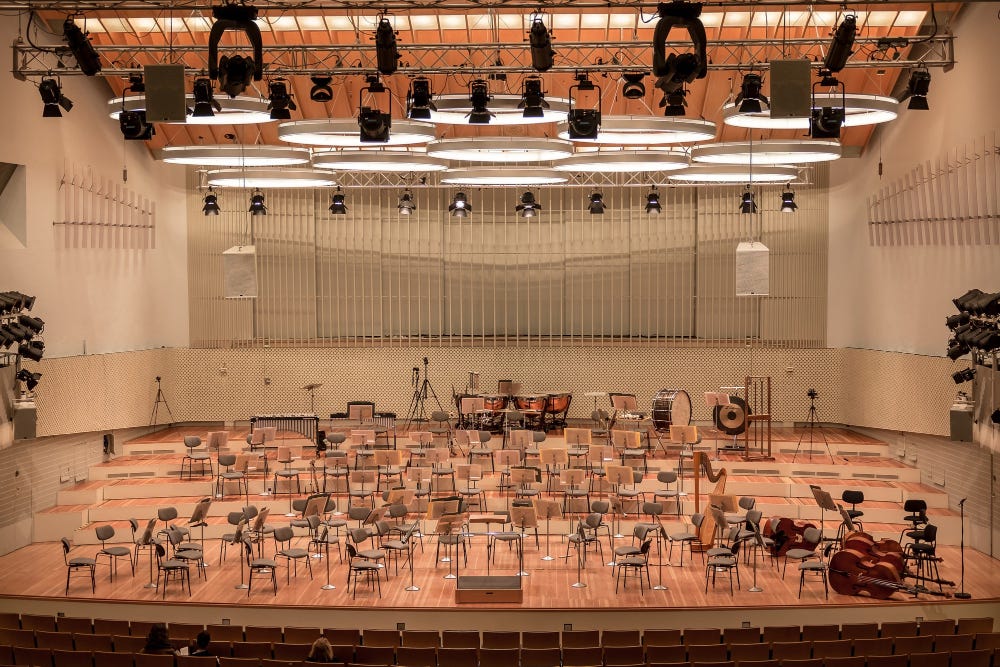
Most managers don’t conduct. They execute steps that never evolve, follow experience that predates the current reality, and protect tribal knowledge that was never documented. They wave the baton at an orchestra that’s already moved on.
That manager is running your AI transformation. And the window for learning on the job is closing.
2026 will be the year AI meets reality. Stanford researchers across disciplines agree. No AGI breakthrough. Fewer promises, more postmortems. Enterprises quietly admit most deployments didn’t move the needle.
And when it does, guess who actually knows how to use this thing?
Not the manager running your AI transformation.
The Training Flows Downward
Employees receive tool training. How to prompt. How to generate. Managers receive strategy briefings. Decks about potential. Vendor summaries.
The assumption: ground staff need upskilling, leaders need awareness.
The reality: employees are already using AI, far more than their managers realise.
The gap isn’t at the musician level. It’s at the podium.
Generation Is Not Application
Generation is producing outputs from AI. Prompts. Drafts. Summaries. This is what tool training teaches.
Application is integrating those outputs into how work gets done. Where AI enters the process. What validation it needs. Who owns it.
Generation is the musician’s skill. Application is the conductor’s job.
We have abundant training for one. Almost nothing for the other.
The Tribal Knowledge Defence
Some leaders point to experience. Years of unwritten knowledge. Who to call. Which approvals to skip. What actually happens versus what the policy says.
Tribal knowledge is real. It’s also where bad practices hide.
AI won’t replace tribal knowledge because it was never written down. AI won’t improve it either, it can’t challenge what no one has surfaced.
The new instrument doesn’t fix old habits. It plays alongside them.
The Work Before the Work
Back to the orchestra example, before you conduct, you study the score.
Most media coverage for AI skips this because preparation doesn’t sell. Fear does.
But deploy a tool into a process you don’t understand and the outputs won’t fit. People create workarounds. Workarounds become new tribal knowledge. Six months later, no one knows why AI didn’t deliver.
The framework is unglamorous: What are the real steps? Where do decisions happen? What would better look like?
AI doesn’t work around dysfunction. It amplifies it.
The Empty Podium
Your organisation trains employees on AI tools. It probably doesn’t train managers on AI-integrated workflows.
Employees are already practising. They’ve picked up the new instrument.
The question isn’t whether your team can use AI. In fact, they can.
The question is whether leadership understands the instrument well enough to conduct it.
Steve Jobs played the orchestra because he understood the instruments. The title was never the point.
Neither is yours.
