Tools Are Easy. Workflows Are Hard.
Twenty-five years of digital marketing taught us something we seem to have forgotten.
How to perform a series of tasks guided by a practice.
To produce a report, you input data. Before that, you validate the source. Before that, you define what you’re measuring. Each step follows the previous. Skip one, and the output suffers.
This is how work gets done.
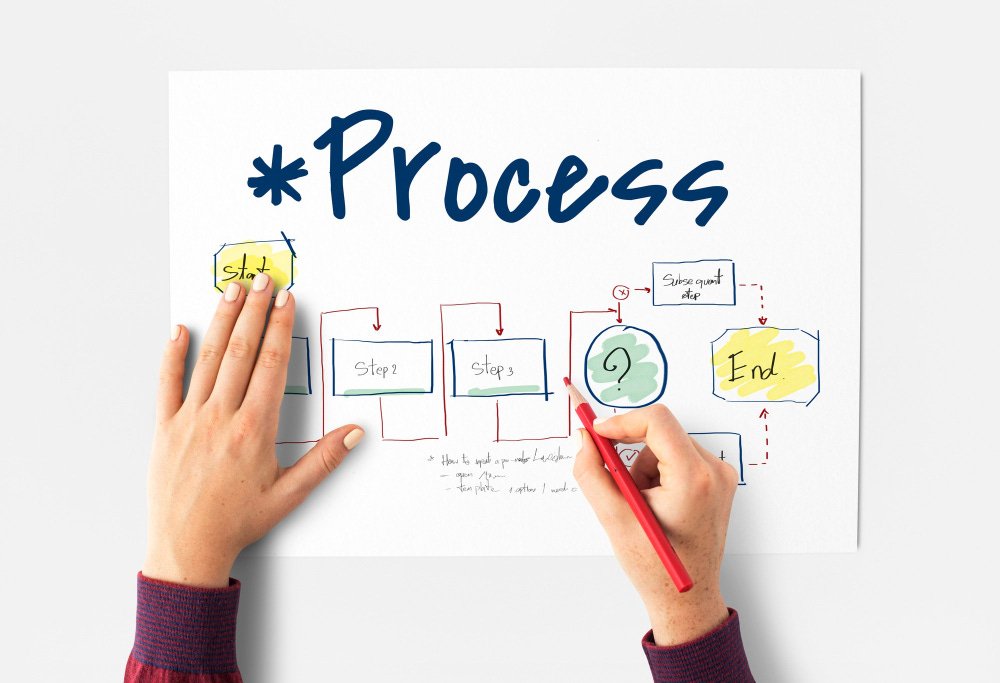
But in marketing, because we are told to be “creative,” somehow we don’t follow best practice. Best practice becomes a badge - something for pitch decks. Not an internalised sequence of tasks.
We learned this with marketing automation. With programmatic. With CRM. Each technology delivered transformation only to teams that redesigned their processes around it.
AI will be no different.
Most Brand Work Is Opinion Aggregation
Here’s what it looks like in practice:
“This one feels more premium.”
“I don’t think that captures who we are.”
“It needs to be more... bold? But also approachable.”
Each statement presents itself as insight. Each is actually preference. And beneath each preference lies the same unexamined belief:
The confidence that I have in my taste. And my ability to express what I feel.
This is the operating system. Every “I don’t like it” is taste claiming strategic authority. Every “it doesn’t feel right” is feeling asserting itself as expertise.
The most senior person’s taste wins. Not because seniority correlates with clarity, but because that’s how rooms work.
No methodology survives this. The framework gets drawn on the whiteboard. The criteria get listed on the brief. Then someone senior says “I’m just not feeling it,” and the room pivots.
Why AI Changes Nothing
AI needs instructions. Criteria. Some definition of “good” that can be evaluated.
Marketing offers none of this.
“Make it feel more premium” is not a prompt that produces consistent results. “Capture who we are” assumes a documented definition of “who we are” - which rarely exists outside a PDF no one has opened.
AI is a system that follows process. Marketing is a culture that resists it.
So AI gets pointed at tasks that can be specified: Generate headlines. Write taglines. Produce logo variations.
These outputs arrive in the room. The same opinion aggregation takes over. Options evaluated by taste. Decided by hierarchy.
AI accelerated production.
AI did not improve decision-making.
Because decision-making was never a process. It was a social ritual for discovering what the most powerful person will accept.
A Space With 2,900 AI Tools Each Year
A daily AI newsletter lands in my inbox. Ten new applications per edition. That’s 3,650 tools per year.
70-80% target marketing. Call it 2,900 annually.
Each promises transformation. Each assumes you have a process to accelerate, which in fact, you don’t.
So each becomes another button. Another way to generate options for the same room to evaluate by taste.
More inputs. Same bottleneck.
The bottleneck was never production. The bottleneck is the room where decisions happen without criteria.
What Frameworks Actually Do
A framework answers four questions:
What inputs are required? Not “insights.” Which insights. From where.
What criteria evaluate options? Written. Agreed. Referenced when someone says “not feeling it.”
What sequence of decisions leads to output? Not “iteration.” Which decisions. What order.
How do we know we’re done? Not “when it feels right.” What conditions. Approved by whom.
Most marketing teams cannot answer these for their core processes.
Tools for everything. Frameworks for nothing.
The Choice
Marketing digitised everything else. Customer journeys. Attribution. Conversion funnels. Real-time optimisation.
Just not its own work.
The discipline that measured customer behaviour never mapped how a campaign gets approved. The function that optimised every funnel stage never optimised how work moves through the team.
This is the opportunity. Not another tool. Not another AI feature.
Map the workflow. Define criteria. Document decisions.
Then AI has something to accelerate.
Until then, every tool you adopt is another way to produce more options for the same room to evaluate by feel.
Tools are easy. They arrive daily.
Workflows are hard. They require honesty about how decisions actually happen.
Best practice is not a badge.
It’s the sequence you actually follow.
